Safety Comes First: Knowing When to Call Professional Tree Removal Services
Tree removal is an important consideration for homeowners. Safety should always come first, especially when trees pose potential hazards. Weakened or infected trees can put both property and lives at risk. Recognizing the signs that indicate a tree's removal is necessary is essential. Homeowners should recognize the hazards at hand and the value of seeking expert help. The actions taken throughout this process can be decisive in maintaining a secure environment.
Identifying When Your Tree Becomes a Hazard
Weather factors also contribute significantly; powerful gusts or intense storms can aggravate an already weakened tree. Routine evaluations by a certified arborist can help detect these dangers before they worsen. Residents should stay watchful, especially in the aftermath of harsh weather conditions, and take immediate action if they detect worrisome indicators. Ultimately, early recognition and intervention can prevent accidents and protect both property and lives.
The Risks of Ignoring Tree Health
Ignoring tree health can result in considerable dangers for homeowners and their properties. Unattended trees may develop structural weaknesses, increasing the likelihood of branches breaking or entire trees falling, especially during storms. Such occurrences create hazards not only for the property and adjacent structures but also for anyone in the immediate area. Moreover, weakened trees can invite pests and illnesses, which may migrate to healthy plants, threatening the surrounding landscape. This potential for contagion creates further financial strain, as the costs of treatment or removal can escalate rapidly. Furthermore, unsightly trees can diminish property value, impacting marketability when it comes time to sell. Homeowners may find themselves facing not only aesthetic issues but also hidden liabilities. Consequently, routine maintenance and dedication to tree health are critical in minimizing these risks and safeguarding the safety and aesthetics of the property.
Detecting Tree Diseases That Require Professional Help
How can property owners successfully detect tree diseases that demand professional care? Recognizing signs at an early stage is essential for preserving tree health and ensuring safety. Residents should be on the lookout for warning signs including discolored leaves, unexpected growths, or bark irregularities. Signs such as wilting, slowed growth, or unexpected leaf shedding can point to a tree in distress. The presence of fungal formations, such as mushrooms near the base, can indicate underlying root issues, while cankers and seeping sap may be signs of infection.
Moreover, pest infestations, evidenced by holes in leaves or visible insects, can undermine tree integrity and heighten disease risk. Trees displaying these warning signs often necessitate professional examination, as untreated issues can lead to structural instability. Engaging qualified arborists helps guarantee thorough evaluations and targeted treatment solutions, preserving the trees as well as nearby landscapes. Spotting these warning signs in advance permits homeowners to implement proactive strategies, supporting enduring health and stability.
How Close Trees Are to Structures and the Effect on Safety
The health of trees is not solely determined by disease but is also heavily impacted by their closeness to surrounding structures. Trees planted too close to buildings, fences, or sidewalks can pose significant safety risks. The roots of such trees can undermine foundations and result in structural damage, while their branches can obstruct roofs, gutters, or power lines during severe weather. Furthermore, trees that extend over properties may become dangerous as they risk falling during strong winds or harsh weather conditions.
In metropolitan areas, the confined space affects tree growth, frequently leading to weaker limbs and poor structural characteristics. This proximity can also promote competition for nutrients and water, additionally weakening overall tree health. Periodic inspections are critical to assess the dangers linked to trees situated near structures, accounting for their type, scale, and overall condition. Maintaining sufficient spacing between trees and buildings can reduce safety risks and encourage stronger growth.
Why Hiring Tree Removal Pros Is Worth Considering
Utilizing expert tree removal specialists offers substantial advantages due to their expertise and experience in the field. These experts are fully prepared to manage challenging tasks while reducing safety hazards and liability issues. Choosing their services guarantees both successful tree maintenance and reassurance for landowners.
Expertise And Background
When confronted with the difficult task of removing a tree, homeowners often overlook the complexities involved. Professional tree removal services bring a great deal of skill and expertise that is crucial for effective and safe removal. Skilled arborists possess comprehensive knowledge of the biology of trees, developmental patterns, and the particular methods required for various tree species. Their expertise allows them to evaluate the situation precisely, recognizing possible dangers and finding the most suitable strategy for removal. Additionally, professionals are furnished with professional-grade tools and equipment that improve accuracy and efficiency, reducing the chance of harm to nearby structures. By enlisting professionals, homeowners can ensure the work is done properly, ultimately saving time and reducing stress.
Safety And Legal Liability Risks
Tree removal can pose substantial safety hazards and liability concerns that are frequently underestimated by homeowners who try to handle it without professional help. Those without proper training may underestimate the challenges involved, causing mishaps that can lead to harm or structural damage. Dropping limbs can cause injury to people in the vicinity, while incorrect use of tools may cause harm to the operator. Moreover, if nearby properties sustain damage, the homeowner may be held liable for repairs. Expert tree removal companies are trained in the use of proper training, protective equipment, and liability coverage to mitigate these risks. By working with qualified professionals, homeowners can ensure a much safer experience but also protect themselves from potential legal repercussions, making qualified professional help a prudent choice for tree-related concerns.
What Happens During Professional Tree Removal
Throughout the professional tree removal process, the operation commences with a preliminary evaluation to evaluate the tree's state and the environment around it. Expert tools and methods are subsequently utilized to guarantee safe and efficient removal. Upon completion, cleanup procedures following the removal are performed to act now restore the area, resulting in a neat and debris-free environment.
Preliminary Evaluation Process
Before tree removal begins, a detailed preliminary assessment is essential to ensure efficiency and safety. Throughout this process, professionals will evaluate the condition, size, and placement of the tree in relation to nearby structures and power lines. They will also recognize likely risks, such as diseased limbs or decay, that could interfere with the tree removal procedure. Examining the nearby surroundings helps identify the best approach and necessary precautions. The crew may also discuss the property owner's goals and concerns to confirm alignment on the removal approach. This detailed evaluation sets the foundation for a safe and effective procedure, reducing potential hazards and ensuring that the work complies with established safety guidelines and local regulations. A thorough assessment is critical for a smooth tree removal experience.
Gear and Approaches Utilized
While each tree removal project is unique, trained specialists commonly use a variety of dedicated equipment and approaches to ensure the job is completed safely and effectively. Chainsaws serve as an essential tool, enabling accurate cutting of both the trunk and limbs. Tree care professionals frequently use ropes and harnesses to keep themselves safe and manage the lowering of heavier branches. In some cases, cranes or bucket trucks are utilized to safely reach and work on taller trees. Additionally, chippers are used to process branches into mulch, minimizing debris. Skilled professionals thoroughly examine the surrounding space to identify the most effective course of action, often employing techniques like directional felling to manage the direction of the tree's fall. This thorough preparation and thoughtful choice of equipment contribute to a seamless and safe removal process.
Post-Removal Cleanup Steps
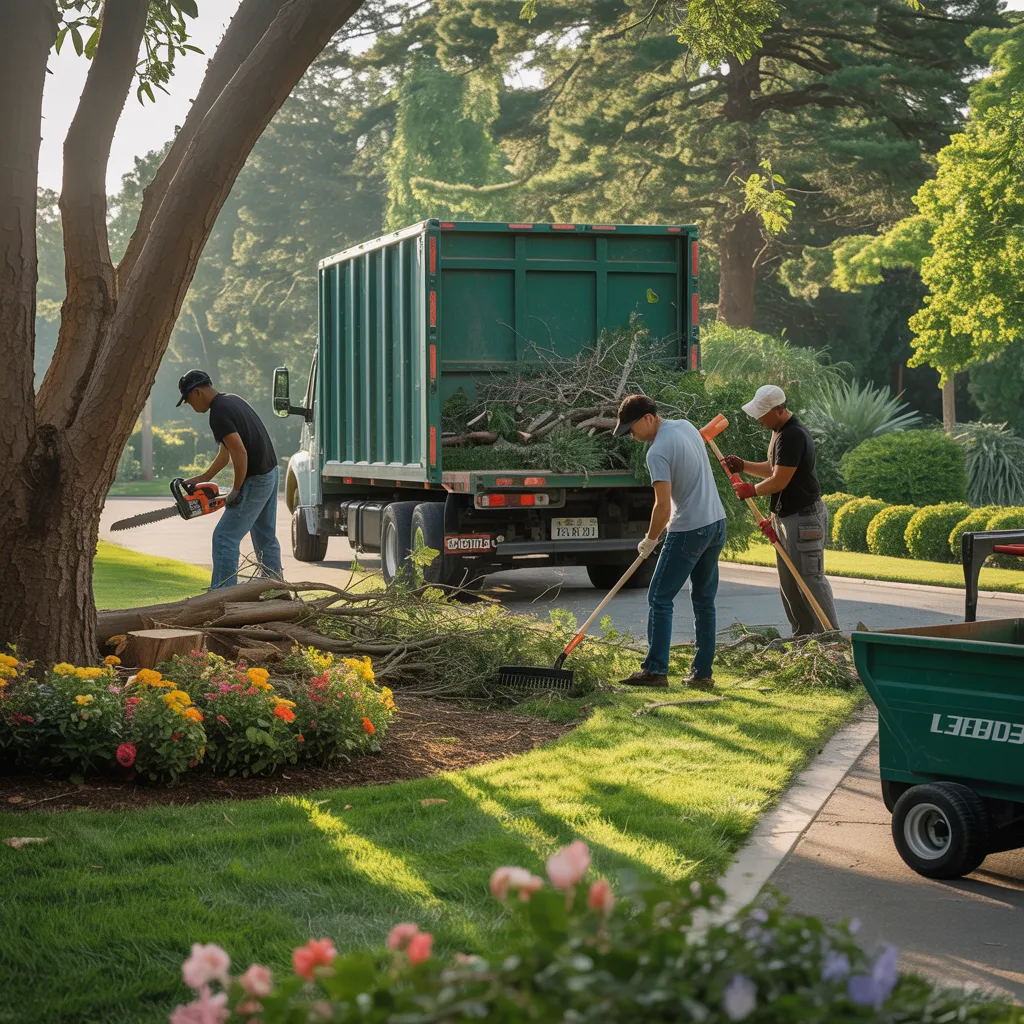
After the tree has been safely removed, the restoration process starts to return the area to its original condition. The expert crew will initially clear away major limbs and portions of the trunk, often cutting them into manageable pieces. Stump removal may then occur, where the leftover stump is reduced to below the surface, limiting its presence and stopping future regrowth.
Following this, debris including leaves and smaller branches is removed from the area. The crew will also tend to any damage affecting nearby plants or grass, keeping the landscape in good condition. To conclude, the team will review options for replanting or redesigning the space should the property owner wish. From start to finish, safety is the top priority, with the site being left spotless and hazard-free for the property owner.
Common Questions and Answers
What Does Professional Tree Removal Usually Cost?
Professional tree removal services generally cost anywhere from $200 to $2,000, based on factors including tree dimensions, site location, and ease of access. Services beyond basic removal, including stump grinding and debris cleanup, may raise the overall price for homeowners.
Am I Legally Allowed to Remove a Tree Myself?
Individuals are legally permitted to remove a tree on their own, as long as they adhere to local rules and secure the required permits. However, it's essential to assess risks and potential liabilities associated with the task before proceeding.
What Permits Do You Need for Tree Removal?
In most cases, a permit for removing a tree may be needed depending on local regulations, tree species, and size. Homeowners should check with municipal authorities to verify compliance with any necessary permits before proceeding with removal.
How Long Does the Tree Removal Process Take?
Tree removal generally requires anywhere from a few hours to an entire day, based on the size, location, and complexity of the tree. Elements such as permit requirements and weather conditions can also influence the overall duration of the project.
Will Tree Removal Damage My Lawn or Landscaping?
Tree removal may cause damage to yards and surrounding greenery, primarily as a result of heavy equipment usage and disruption to the root system. However, skilled professionals typically employ strategies to reduce damage, guaranteeing that the property is returned to the best degree achievable afterward.